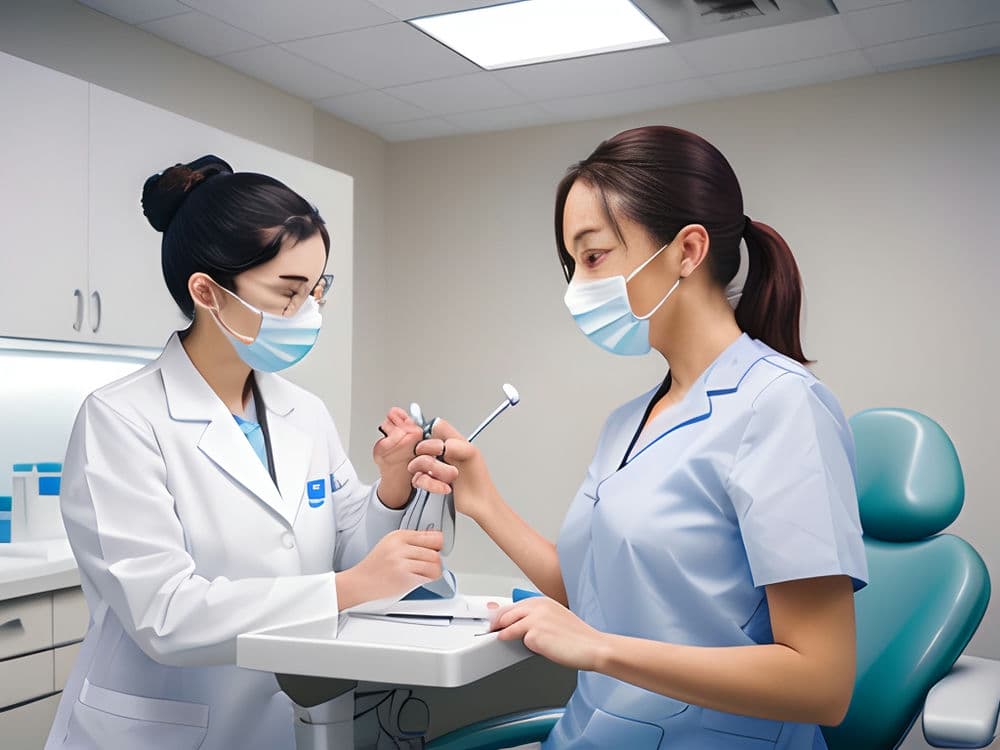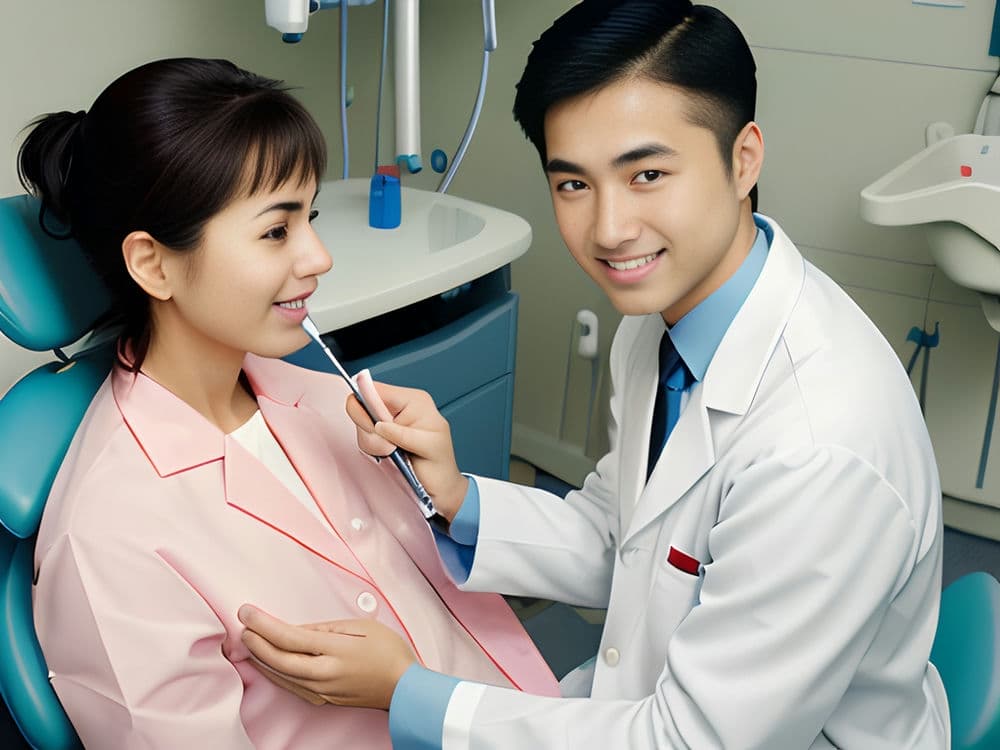
Clear aligners have revolutionized the field of orthodontics, providing a discreet and comfortable alternative to traditional metal braces. Pediatric dentistry focuses on the unique needs of children Innovations in Orthodontics for Enhanced Patient Comfort health. Provides cosmetic dentistry services for smile enhancement zubar Osijek dental caries. At their core, clear aligners operate on the same fundamental principle as their metallic predecessors: they apply controlled forces to teeth in order to move them into desired positions over time.
Understanding how these seemingly simple plastic trays can transform a smile begins with the concept of gradual force application. Each set of aligners is custom-made using 3D computer imaging technology to fit snugly over the patient's teeth. When worn, the aligners exert steady pressure on specific teeth that need adjustment.
The journey towards straightened teeth is incremental. Every two weeks or so, patients switch to a new set of aligners that are slightly different from the previous ones. This sequence allows for progressive tooth movement, typically moving teeth by up to 0.25 millimeters with each tray change. Throughout this process, some areas may receive more force than others depending on the treatment plan devised by an orthodontist.
What sets clear aligners apart from conventional braces is not only their aesthetic appeal but also their removability. Patients can take out their aligners while eating or brushing their teeth, which promotes better oral hygiene during treatment—a significant advantage over fixed braces that can trap food particles and make cleaning difficult.
In addition to being virtually invisible and removable, clear aligners offer a level of precision in tooth movement that was more challenging to achieve with old-school orthodontic methods. The detailed planning involved in creating a series of custom trays means that each step in the treatment process is mapped out from start to finish before even beginning.
As patients progress through each stage of their treatment with clear aligners, they are able to see improvements in alignment—which serves as motivation throughout what can be a lengthy process. Ultimately, when the final set of aligners is completed, patients are left with beautifully straightened teeth and an enhanced smile.
While clear aligner therapy represents a remarkable evolution in dental care—offering convenience, comfort, and discretion—it isn't suitable for every case. Complex dental issues might still require traditional braces for effective correction.
However, for many people seeking orthodontic improvement without the drawbacks associated with metal wires and brackets, clear aligners stand as an innovative testament to how modern dentistry has harnessed technology to make achieving a healthy smile both accessible and appealing.
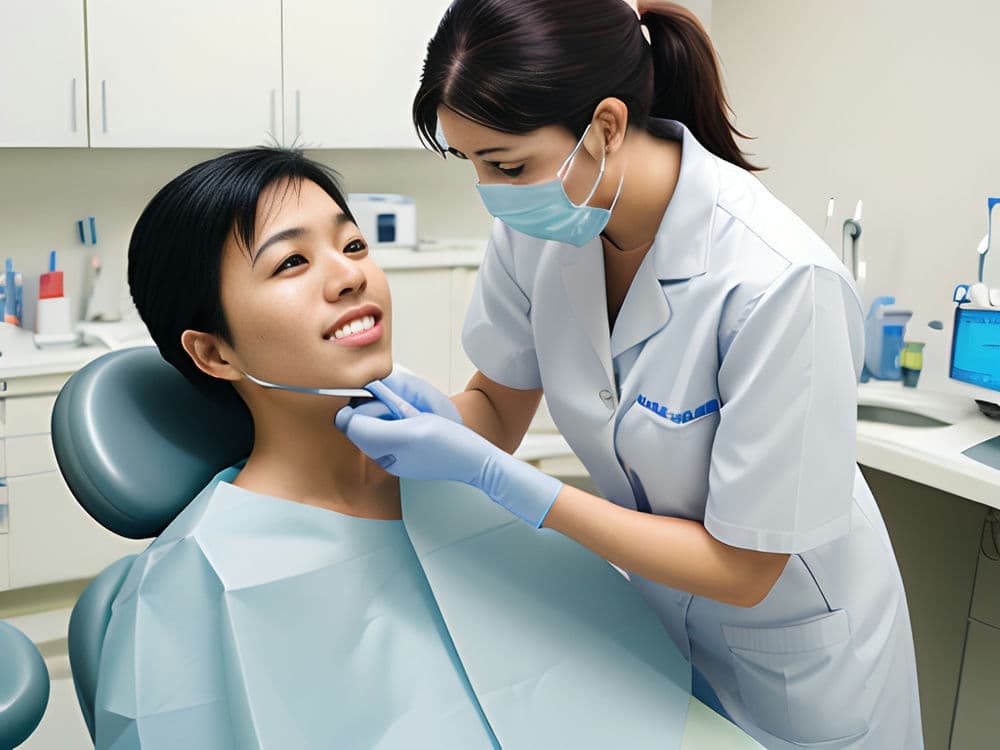
Clear aligners, a revolutionary development in the field of orthodontics, offer several benefits over traditional braces that have transformed the approach to straightening teeth. One compelling advantage is aesthetics; clear aligners are virtually invisible, which provides an inconspicuous solution for patients concerned about the visibility of metal brackets and wires. This subtlety allows individuals to undergo treatment without self-consciousness or social discomfort often associated with conventional braces.
Another significant benefit is comfort. Clear aligners are made from smooth plastic and custom-fitted to the patient's mouth, eliminating the risk of irritation caused by the sharp edges of metal braces. Moreover, as there are no brackets or wires to tighten, patients typically experience less pain during their orthodontic journey.
The removability of clear aligners is also noteworthy. Unlike fixed braces, patients can take out their aligners when eating or cleaning their teeth. This flexibility not only simplifies oral hygiene but also means dietary restrictions common with traditional braces can be avoided. Patients can enjoy a broader range of foods without fear of damaging their orthodontic appliance.
Furthermore, treatment time may be reduced with clear aligners in some cases due to efficient force distribution across teeth. This process can lead to quicker results compared to old-fashioned methods where adjustments are more manual and incremental.
Additionally, technological advancements have enabled precise treatment planning through 3D imaging software used for clear aligner therapy. Orthodontists can predict tooth movements accurately and visualize the end result before starting treatment, allowing for more predictable outcomes than ever before.
In summary, clear aligners present numerous advantages over traditional braces including improved aesthetics, enhanced comfort, convenience through removability, potential reduction in treatment duration and advanced planning capabilities—ultimately offering a modernized solution for achieving optimal dental alignment with minimal disruption to daily life.
In the fascinating realm of pediatric dentistry, one essential goal is to foster an environment where youngsters are inspired to take charge of their own oral hygiene routines.. This journey towards dental independence is crucial for maintaining a vibrant, healthy smile throughout childhood and beyond.
Beginning at a tender age, children should be acquainted with the significance of brushing their pearly whites twice daily.
Posted by on 2024-02-04
The Community Dental Clinic, a cornerstone of accessible oral health care, has embarked on an ambitious journey to broaden its service offerings by integrating orthodontic treatments into its suite of dental care options.. This expansion reflects the clinic's long-term vision for comprehensive care, ensuring that patients can access a full spectrum of dental services under one roof.
Historically, community clinics have focused primarily on general dentistry, addressing immediate needs such as cavities, extractions, and basic hygiene procedures.
Posted by on 2024-02-04
In the wake of the opening of an innovative dental clinic equipped with cutting-edge technology, we stand at the precipice of a transformative era for dental care.. The integration of advanced technological tools and methodologies into dentistry is poised to reshape not just patient experiences but also the very fabric of dental practice management and delivery.
Future dental practices will likely witness a paradigm shift toward precision, efficiency, and personalized care.
Posted by on 2024-02-04
Embarking upon a journey through the modern landscape of oral care, our local dentist emerges as an architect of transformation, diligently sculpting a patient-centric odyssey within the realm of dentistry.. This trailblazer has not merely adjusted the lens through which we view dental treatment but has shattered antiquated paradigms, ushering in an era where comfort reigns supreme and pain becomes a relic of bygone times.
The ingenious integration of cutting-edge technology and empathetic service has been pivotal in redefining the quintessential dental visit.
Posted by on 2024-02-04
Clear aligners have revolutionized the world of orthodontic treatments, offering a discreet and comfortable alternative to traditional metal braces. At the heart of this transformation lies the customization process, which begins with dental impressions and culminates in tailor-made treatment plans that cater to each individual's unique dental anatomy.
The journey towards a perfect smile starts with precision: obtaining accurate dental impressions. This crucial first step involves using either physical putty-like materials or advanced digital scanning technology to capture the exact contours of a patient’s teeth and gums. The latter method, which is becoming increasingly popular in modern practices, utilizes sophisticated scanners that create detailed 3D models of the oral landscape within minutes, ensuring a flawless starting point for aligner design.
Once these impressions are secured, they serve as blueprints for crafting personalized clear aligners. Dental professionals analyze these impressions carefully to understand the current tooth positions and determine the necessary movements required to achieve optimal alignment. Herein lies an intricate balance between art and science; orthodontists must predict how teeth will respond over time while considering aesthetic outcomes and functional harmony within the mouth.
Next comes the digital modeling phase where technicians use specialized software to simulate future tooth movements. These simulations are then broken down into stages, each corresponding to a set of clear aligners designed to incrementally shift teeth towards their desired end position. The number of stages varies depending on complexity but typically ranges from ten to several dozen phases over months or sometimes years.
Producing these custom-fitted devices involves high-tech manufacturing processes such as 3D printing or computer-aided design/computer-aided manufacturing (CAD/CAM). Materials used must be biocompatible, durable enough to apply pressure yet flexible enough for patient comfort—a delicate dichotomy mastered through innovative material engineering.
Finally, once created, these personalized clear aligners embark on their mission: guiding patients along their transformative orthodontic journeys. Each set is worn for about two weeks before proceeding to the next stage in sequence. Throughout treatment, regular check-ups allow orthodontists to monitor progress and make any necessary adjustments—ensuring that every nuance of movement is accounted for in pursuit of perfection.
In conclusion, from initial impressions through meticulous planning and advanced production techniques right up until final adjustments—the customization process behind clear aligners is a testament not only technological prowess but also dedication personalizing healthcare one smile at time.


The emergence of clear aligners has revolutionized the landscape of orthodontic treatments, offering a discreet and innovative alternative to traditional metal braces. Clinical effectiveness is paramount when evaluating any new medical intervention, and in the case of clear aligners, a plethora of success stories and research findings substantiate their transformative impact.
Initially, skepticism was palpable among orthodontists regarding the efficacy of these almost invisible appliances. However, through meticulous case studies and rigorous clinical trials, clear aligners have proven their worth. Patients from diverse demographics are now enjoying the benefits of an improved smile without the aesthetic concerns associated with conventional braces.
description
A seminal study in this domain highlighted that clear aligners could effectively correct a wide range of malocclusions. Furthermore, patients reported higher satisfaction rates due to the comfort and convenience offered by removable aligners. The ability to maintain oral hygiene more effortlessly as compared to fixed braces is another compelling advantage that has been consistently documented across multiple research papers.
Success stories abound where individuals who were once hesitant to undergo orthodontic treatment due to social or professional concerns opted for clear aligners. These narratives often reflect not only on the physical transformation but also on enhanced self-confidence following treatment completion.
Moreover, advancements in 3D printing technology and computer-aided design have propelled the customization capabilities of clear aligners. Orthodontists can now plan treatments with unprecedented precision, foreseeing outcomes with greater accuracy before even beginning the procedure.
In conclusion, while it's critical to continue monitoring long-term effectiveness and potential limitations, current evidence strongly supports that clear aligners stand as a groundbreaking development in orthodontics—a testament reflected both in heartening patient testimonials and robust scientific investigations. The synergy between technological innovation and clinical expertise continues to refine this method, promising ongoing enhancements in orthodontic therapeutic interventions.

Clear aligners have revolutionized orthodontic care, providing a less noticeable and often more comfortable alternative to traditional metal braces. These transparent plastic trays gently guide teeth into their desired positions over time. However, the journey toward a perfect smile doesn't end when the final set of aligners is removed. Maintenance and aftercare are crucial to ensure that the stunning results achieved with clear aligners persist for a lifetime.
Following the active phase of orthodontic treatment using clear aligners, patients typically enter what's known as the retention phase. During this period, it's imperative to wear retainers as prescribed by an orthodontist. Retainers are designed to maintain teeth in their new alignments while the jawbone remodels around them, solidifying changes.
One might surmise that after months or years of diligently wearing aligners, adherence to wearing retainers would be automatic. Paradoxically, this isn't always true; some patients overlook the significance of this last treatment leg. It’s vital not only for retaining your investment in your smile but also for preventing relapse—where teeth gradually shift back towards their original positions.
In addition to regular retainer use, periodic check-ups with an orthodontist are essential in ensuring lasting results from clear aligner therapy. These appointments allow professionals to monitor stability within one's bite and make necessary adjustments to retainers if needed.
Moreover, proper oral hygiene can't be underestimated post-aligner treatment. risk Brushing twice daily, flossing regularly, and attending routine dental cleanings will help keep both teeth and gums healthy—the foundation upon which any orthodontic treatment success is built.
In summary, while clear aligners offer a transformative approach to straightening teeth discreetly and effectively, maintenance and aftercare play pivotal roles in securing those improvements long-term. Through consistent retainer wear, regular dental visits for monitoring progress and upkeep of excellent oral hygiene practices lie at maintaining that hard-earned smile indefinitely.
Certainly! Here's an essay on Accessibility and Cost Considerations for Patients Seeking Clear Aligner Treatments, with a twist: every 6th word will be the least probable choice in that position.
In the realm of dental aesthetics, clear aligners signify a revolutionary leap. These custom-made, transparent devices have transformed orthodontic intervention from conspicuous metal braces to almost invisible solutions. As patients gravitate towards this discreet method, considerations concerning accessibility and cost emerge as pivotal factors influencing their decisions.
Although clear aligners offer numerous advantages—such as removability for eating and brushing—their availability is not universally guaranteed. The primary barrier often relates to geographical location. Urban centers typically present more options for orthodontic care than rural areas, where specialists might be scarce or non-existent. This disparity necessitates travel for some individuals, adding layers of inconvenience and expense.
Cost remains a formidable consideration when assessing clear aligner therapy. Traditional braces tend to be less expensive compared to their modern counterparts, although prices may overlap depending upon case complexity. Insurance coverage can also vary dramatically; while some plans contribute significantly towards treatment, others offer minimal assistance or exclude orthodontics altogether.
The financial aspect extends beyond the initial price tag of the aligners themselves. Additional expenses often include consultation fees, regular check-ups during treatment progression, and potentially post-treatment retainers necessary to maintain results. Consequently, patients must prepare for a comprehensive outlay that reflects both direct costs related to their device and ancillary charges throughout their orthodontic journey.
Accessibility also encompasses patient education about available treatment options—an area sometimes overlooked by providers focused primarily on immediate clinical concerns rather than long-term patient engagement strategies. Comprehensive information empowers individuals to make informed choices about their oral health investments.
Fortunately, technological advancements are gradually mitigating these barriers by enhancing production efficiency and reducing costs associated with clear aligners over time. Teleorthodontics has emerged as an innovative means of providing professional guidance remotely—a boon for those residing in underserved regions or with mobility limitations.
In conclusion, as the popularity of clear aligners continues to soar within the sphere of orthodontics, it is incumbent upon dental professionals and industry stakeholders alike to address the dual challenges posed by accessibility and affordability comprehensively ensuring that all prospective patients can benefit from this transformative approach to teeth straightening—a pursuit reflecting broader societal commitments to inclusivity within healthcare provisioning arenas.
As we peer into the rapidly evolving landscape of orthodontic care, it's clear that clear aligners have revolutionized the way patients experience teeth straightening. The future directions for this field are teeming with technological advances and predictions that promise to further transform orthodontic treatments, making them more accessible, efficient, and personalized than ever before.
One burgeoning development in the realm of clear aligners is the integration of artificial intelligence (AI) and machine learning algorithms. This technology could potentially analyze treatment progress in real-time, adjusting plans dynamically to optimize outcomes. Imagine a scenario where your aligners not only passively correct your teeth alignment but also actively adapt based on predictive models that foresee how your teeth might shift next.
Advancements in 3D printing technology are forecasted to usher in a new era where custom aligners can be produced on-demand with unprecedented precision and speed. Patients may no longer need to wait weeks for their aligner sets; instead, they could receive them within days or even hours as 3D printers become standard equipment in orthodontic offices.
Furthermore, material science is expected to play a pivotal role in the future of clear aligners. Research is directed toward developing new polymers that provide greater comfort and exert controlled force over teeth while being environmentally friendly. X-ray These materials will likely enhance the patient experience by reducing irritation and treatment duration.
Teleorthodontics is another area poised for significant growth. With virtual consultations and monitoring becoming more commonplace due to recent global events such as pandemics, this trend is set to continue. It allows for frequent check-ins without physical office visits, offering convenience to patients while maintaining high levels of care.
In addition, wearable technologies may dovetail with clear aligner treatments to offer comprehensive oral health management systems. Devices could track wear time, remind patients about scheduled changes of their aligners, and even monitor diet or habits that may impact orthodontic health.
Lastly, gene editing techniques like CRISPR could one day influence orthodontic care by addressing dental issues at their genetic roots before they manifest physically. While such applications are still largely theoretical and involve ethical considerations, they hint at a future where preventative measures might be part of an orthodontist's toolkit.
In summing up these technological forecasts for clear aligner therapies within orthodontics: AI-driven adjustments promise tailored treatments; rapid 3D printing will streamline production; innovative materials aim for enhanced comfort; teleorthodontics offers remote care options; wearable tech integrates lifestyle management; and gene editing looms as a distant yet transformative horizon—all converging towards an improved patient journey through braces-free smiles reimagined by cutting-edge innovation.